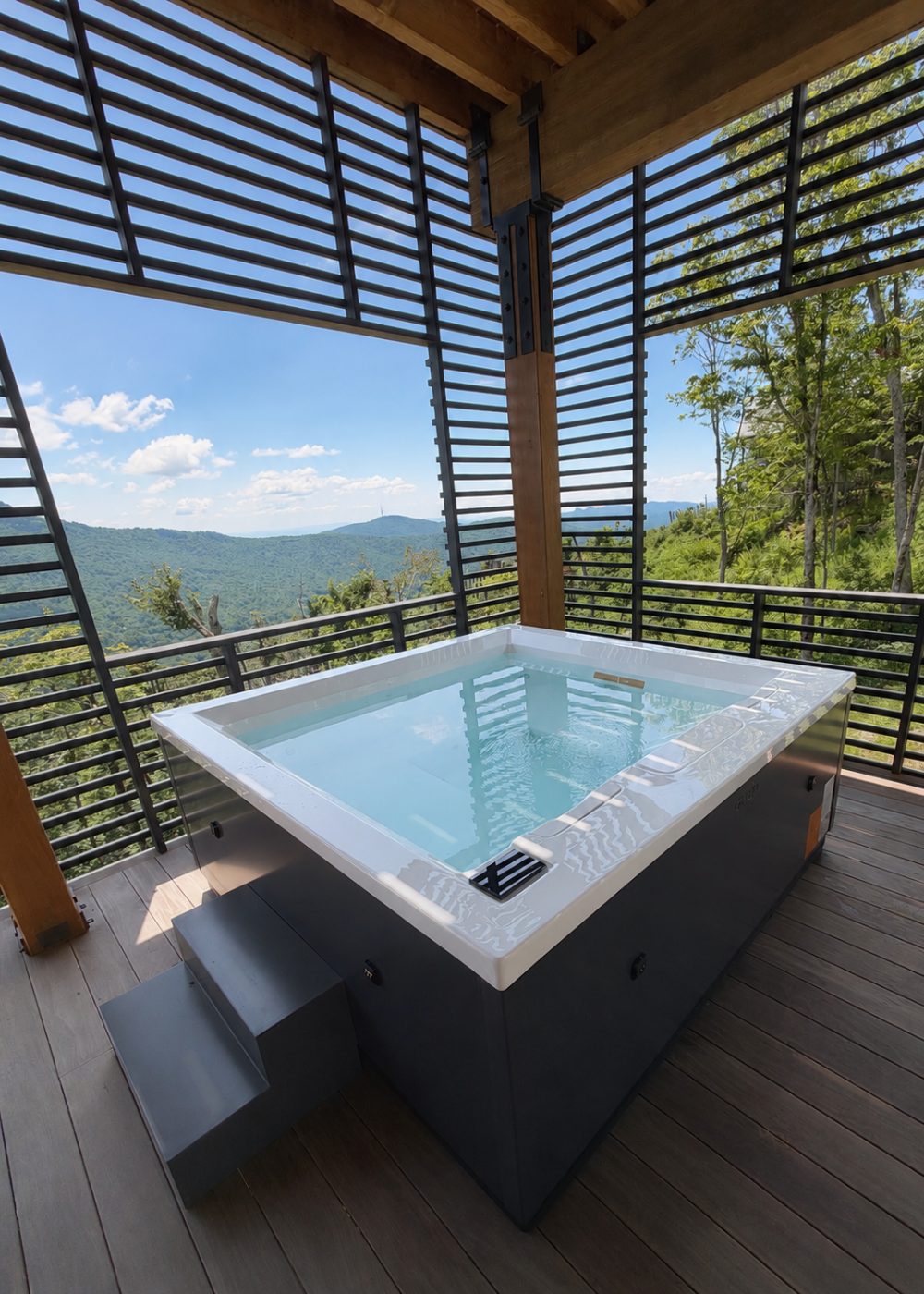
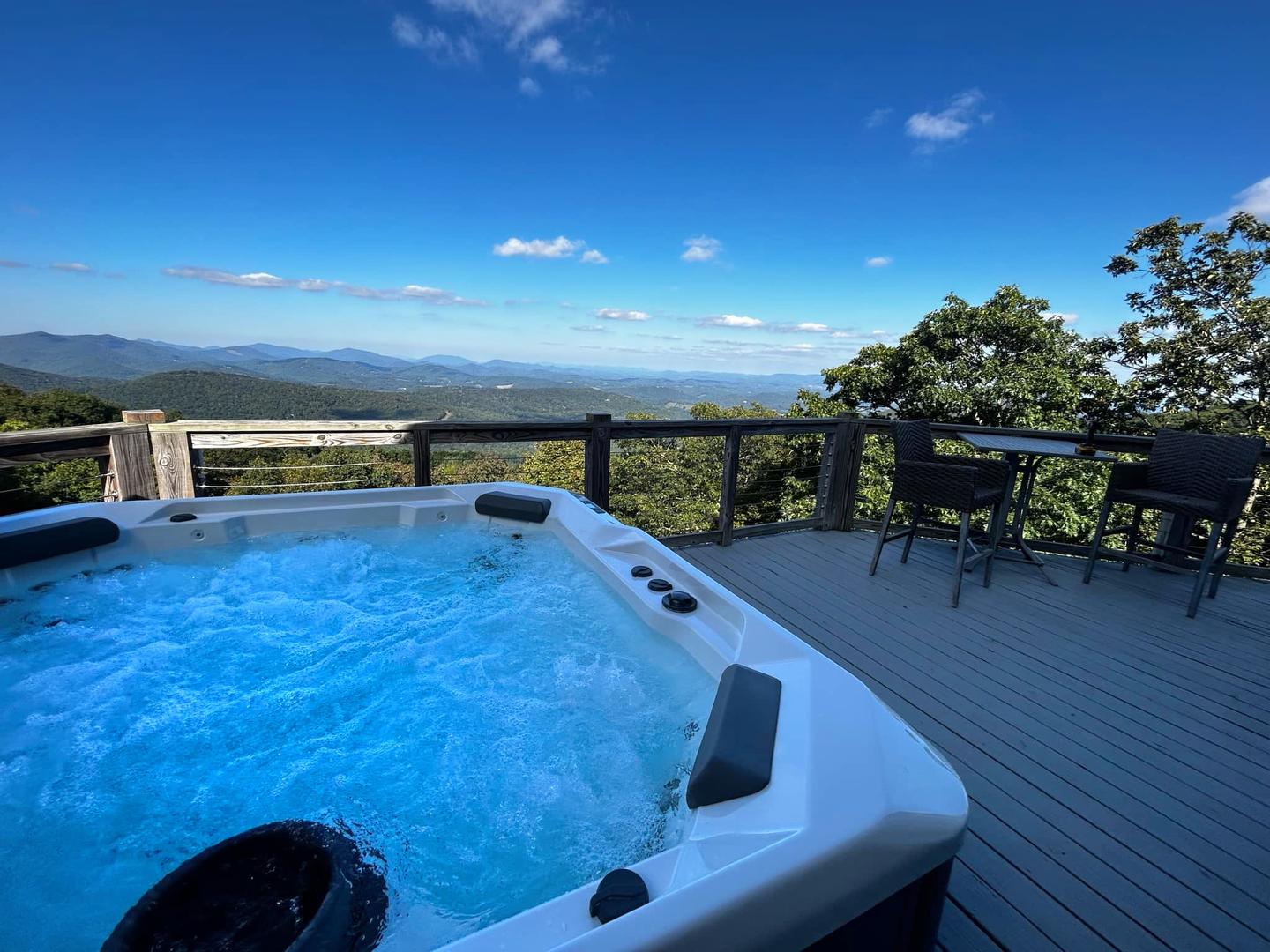
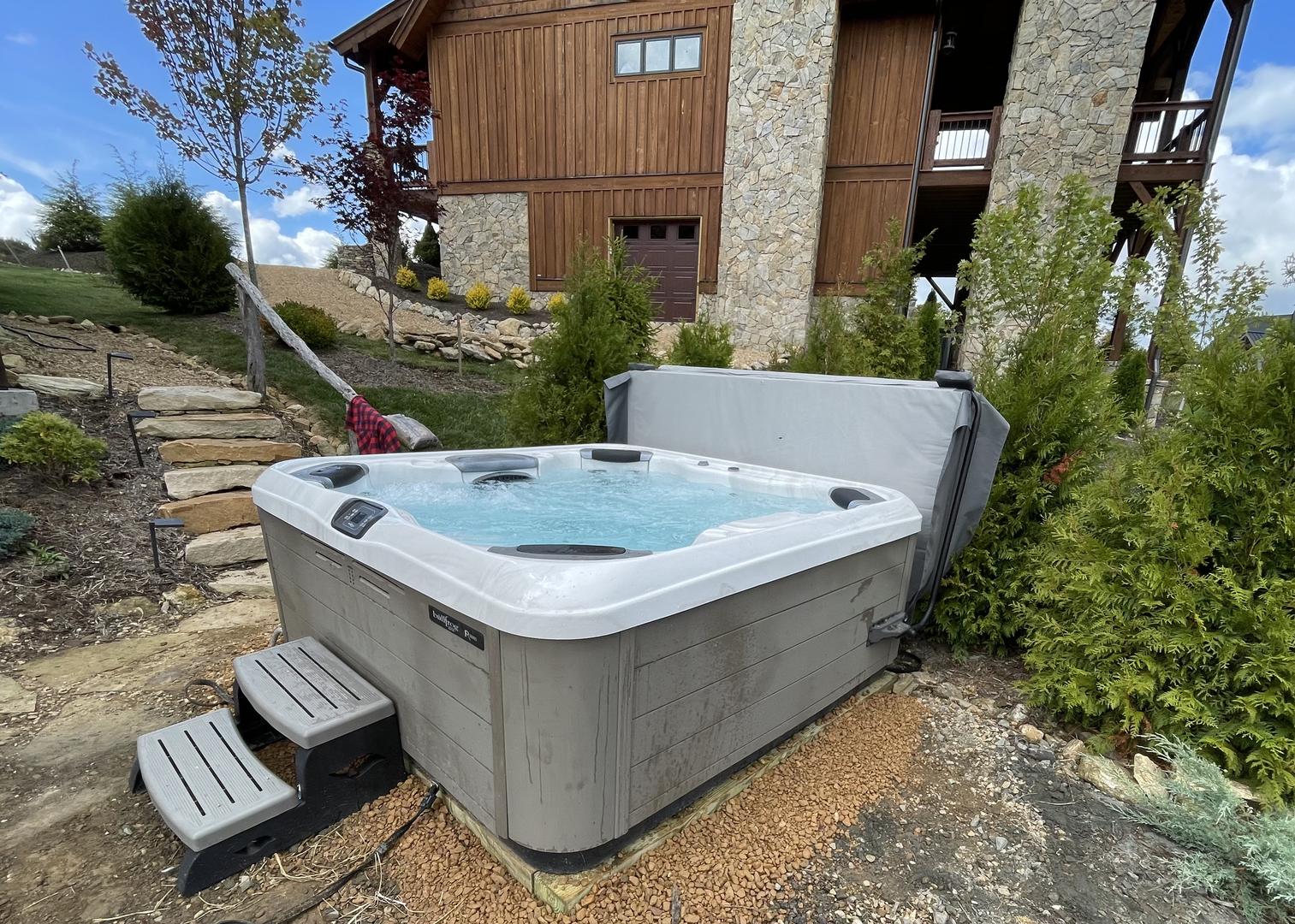
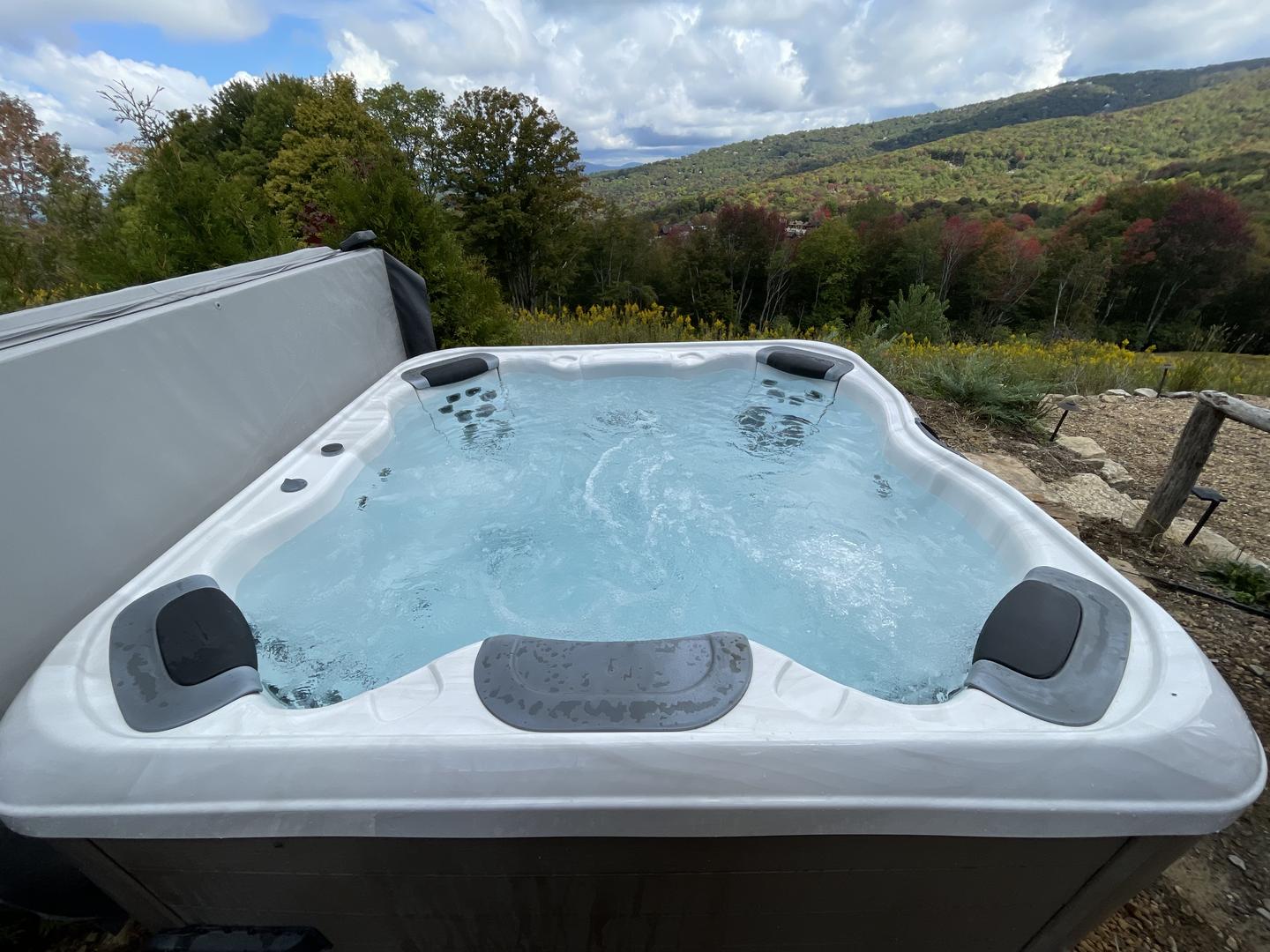
If you own a property in the High Country — whether it's a primary residence, a second home, or a short-term rental cabin on Airbnb or VRBO — your hot tub is one of the hardest-working amenities on your property. And it is almost certainly the most neglected.
Not because owners don't care. But because mountain life creates unique conditions that most hot tub maintenance guides — written for flat-land climates with mild winters and stable temperatures — simply don't account for.
After four years of servicing over 100 hot tubs across Boone, Blowing Rock, Banner Elk, and Beech Mountain, we have seen what happens when High Country hot tubs go without proper professional care. This is everything we wish every property owner in Watauga County knew — before they found out the hard way.
The High Country Is Not Like Everywhere Else
Let's start with what makes our region uniquely demanding on hot tub equipment and water chemistry.
Elevation matters more than you think
Much of Watauga County sits between 3,000 and 5,500 feet above sea level. At elevation, water boils at a lower temperature and chemical behavior changes in ways that catch homeowners off guard. Sanitizer dissipates faster. pH swings more dramatically. What works at sea level does not work the same way on top of Beech Mountain.
Temperature swings are extreme
A Banner Elk weekend in January can see temperatures drop from a pleasant afternoon in the low 40s to single digits overnight. That thermal stress on equipment — pumps, heaters, plumbing, control boards — is relentless. Expansion and contraction cycles that most hot tubs in warmer climates experience occasionally, High Country hot tubs experience constantly from October through April.
Well water changes everything
A significant portion of mountain properties run on well water rather than municipal supply. Well water in Watauga County frequently carries elevated iron, calcium, and mineral content that accelerates scaling, stains surfaces, and destroys equipment components faster than city water ever would. Without a technician who understands local water chemistry, most well-water hot tubs are quietly destroying themselves from the inside.
Leaves, pollen, and debris volume is relentless
Nestled in the Appalachians, our properties deal with heavy organic debris loads across every season. Spring pollen coats everything. Summer storms dump leaves and debris into open tubs. Fall is beautiful but absolutely brutal on filters. Winter brings ice and snow that stress covers and components alike.
These are not problems that occasional DIY care or a cleaning crew with a test strip can manage. They require someone who understands the specific chemistry and mechanical demands of hot tubs operating in a mountain environment.
What Happens When a High Country Hot Tub Goes Without Professional Care
We see this regularly. A property owner switches to cheaper service, tries to manage it themselves, or assumes their cleaning crew can handle it. Here is the typical timeline.
Weeks 1–3 · The water looks fine
This is the most dangerous phase. Visually the water appears clear. But pH is drifting, sanitizer levels are dropping, and biofilm — a bacterial film that clings to plumbing walls — is beginning to establish itself. You cannot see it. You cannot smell it yet. But it is there.
Weeks 4–6 · Guests start noticing
Skin irritation after soaking. A faint odor that wasn't there before. Cloudy water that clears after a shock treatment but returns within days. At this stage the reviews start mentioning the hot tub — not bad reviews yet, just the kind of comments that quietly lower your listing score over time.
Months 2–3 · The equipment starts talking
Filters choked with debris force the pump to work harder. Scale buildup begins coating the heater element. Error codes start appearing on the control panel. A service call at this stage typically costs several hundred dollars and involves parts in addition to labor.
Month 4 and beyond · Real damage
Untreated scale destroys heater elements. Biofilm colonies embedded in plumbing require full system decontamination. Freeze damage from a single unmonitored cold snap can crack plumbing and void manufacturer warranties. What started as skipping a $185 monthly service has turned into a $1,500 to $3,000 repair bill — and a hot tub out of service during your peak booking season.
We are not sharing this to create fear. We share it because we have seen this exact timeline play out dozens of times across Watauga County. And almost every time, the property owner says the same thing afterward —
"I had no idea."
What CPO Certified Service Actually Means
You have probably seen the term CPO Certified in our marketing. Here is what it actually means, and why it matters for your specific situation.
CPO stands for Certified Pool Operator — the professional credential issued by the Pool & Hot Tub Alliance that covers water chemistry management, equipment operation, and safety standards for commercial and residential pools and spas.
Every BluWolf Spa Co. technician carries this certification. That means when Dillon shows up at your Banner Elk cabin on a Thursday morning, he is not guessing at chemical levels or eyeballing the water color. He is testing with professional-grade equipment, interpreting results against established safety and chemistry standards, and adjusting with precision.
This matters most for STR owners because of one uncomfortable reality — improperly balanced spa water is not just a maintenance problem. It is a liability problem. Guests who develop skin rashes, eye irritation, or respiratory discomfort from chemically imbalanced water have grounds for complaints, refund requests, and in serious cases, legal action. Your Airbnb host insurance does not automatically protect you from claims arising from improper maintenance of recreational water amenities.
CPO Certified service is not a marketing label. It is the professional standard that protects your guests and your investment.
The STR Owner Reality — Your Hot Tub Is a Revenue Driver
For short-term rental property owners in the High Country, the hot tub conversation is ultimately a business conversation.
Guests booking mountain cabins in Watauga County actively search for and filter by hot tub availability. Properties with hot tubs command meaningfully higher nightly rates than comparable properties without them. In our experience working with STR owners across the region, a well-maintained hot tub is frequently the primary reason a guest books one property over another.
It is also the primary reason a guest leaves a one-star review.
"Hot tub was dirty." "Water smelled strange." "Jets weren't working when we arrived." These are among the most common negative review themes for mountain cabin rentals. In a market as competitive as Beech Mountain, Banner Elk, and Blowing Rock — where guests have dozens of comparable properties to choose from — one bad review carries disproportionate weight on your booking rate.
The math is straightforward. A property earning $325 per night at 60% occupancy generates roughly $5,850 per month. Professional monthly maintenance through BluWolf Spa Co. represents less than 5% of that monthly revenue. It is the cheapest insurance policy you will buy for your most visible amenity.
What a Professional Monthly Service Visit Actually Looks Like
Because we believe in transparency, here is exactly what happens when a BluWolf Spa Co. technician services your property.
We test the water using professional-grade equipment — not a drugstore test strip — measuring pH, alkalinity, sanitizer levels, calcium hardness, and total dissolved solids. We adjust each parameter to the correct range using the right chemicals in the right quantities for your specific water source and elevation.
We inspect and clean the filter, removing debris and checking for wear that would reduce filtration efficiency. We wipe down the shell, the waterline, and the cover. We inspect all visible equipment — pump, heater, jets, control panel — for early signs of wear or malfunction. We document everything.
For our STR Premier clients, we send a photo report with chemical readings to the property owner after every visit, confirming the tub is guest-ready. No guessing. No hoping. Documented proof that your most reviewed amenity was professionally serviced before your next guests arrived.
That is what professional service looks like. It is not a cleaning crew with a jug of chlorine. It is a CPO Certified technician with the training, equipment, and local knowledge to keep your High Country hot tub running flawlessly year-round.
Serving Watauga County and the Greater High Country
BluWolf Spa Co. runs structured service routes five days a week across the High Country — Blowing Rock on Mondays, Boone on Tuesdays and Fridays, Beech Mountain on Wednesdays, and Banner Elk on Thursdays. That structured approach means your property gets consistent, predictable, professional service on a schedule you can count on.
We serve residential homeowners, second-home owners, and STR property operators across Boone, Blowing Rock, Banner Elk, Beech Mountain, Valle Crucis, Sugar Mountain, Seven Devils, and the greater Watauga County area.
If your hot tub is overdue for professional attention — or if you are simply tired of wondering whether it is being handled correctly — we would love to talk.